New writers study writing advice lists instead of the fundamentals. If you desire to be an extraordinary writer or publish a book, you should focus on the fundamentals of good writing. Then there is always a place for learning new tips to improve your writing. This article will share tips and tricks for nonfiction authors.
Clarity
Simplicity is the key to excellent writing. If you focus on being clear and concise in your writing, you will already be ahead of most writers. Forget about trying to sound fancy or impress others; aim for clarity. And remember, even the clearest writing can’t mask a lack of substance, so make sure you have something meaningful to say.
Write a mediocre first draft
Don’t let self-doubt slow you down; write a rough draft as quickly as possible. It is a great way to overcome writer’s block and generate momentum toward a finished piece. Remember, the first draft is rough, and editing comes later.
Write what’s evident to you but invisible to others
Your unique perspective and knowledge are valuable. Share it with others through writing. When something is easy for you but hard for others, it is a great topic to explore and write about. Your insights can help others, and that’s the beauty of writing.
Write a minimum of 250 words daily
Start small and build up gradually. Write a minimum of 250 words daily. It is equivalent to one page in a book and is not intimidating. This goal will help you get started; as you surpass it, you will be motivated to keep going. You can complete a 120-page draft in four months by consistently writing just 250 words a day.
Read your writing out loud
It is the best way to edit. Proofread your writing by yourself. You can also take advantage of editor friends or professional editors. Read your draft out loud, listen to the mistakes and make changes as you go.
People only care what your book gets them.
Many people want to write only to express their emotions. If you are one of them, you do not need to publish that. If you are writing something you want to publish, you must write for the readers.
Cut out unnecessary things
Most of the writers ask, “What can I cut?”. The answer is: The more you can cut while maintaining meaning, the better. A concise argument always beats a longer argument.
Learn the proper rules
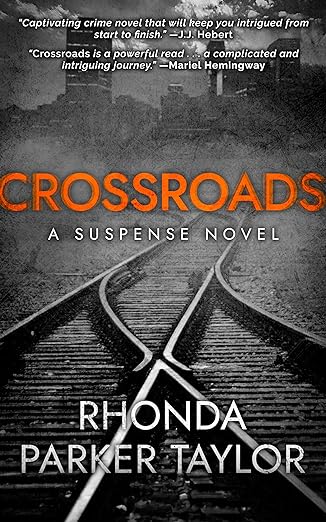
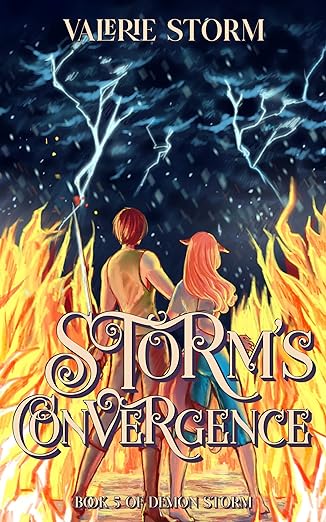
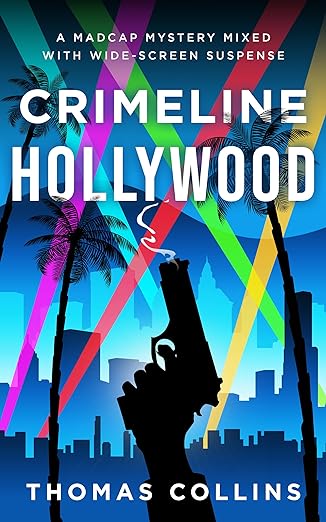
To be a fine writer, you must learn about writing rules, such as what are book’s parts, How to write an acknowledgment? How to write a bio and select a great book cover?
There are unlimited other rules. You need to know them and which ones to break and when.
Good writing is good storytelling
No one cares about perfect sentences or fancy words. Your audience only cares about the story. Writing is like a vehicle to tell a story. Make sure to teach your readers something valuable through your story.
Spend time on the book title
Your book’s title is crucial for its success. It is the first thing readers will see or hear about your book, forming the basis of their judgment about it. Putting in the time and effort to choose the perfect title is essential for your book’s success, just like how companies spend millions on naming new products. Treat it as the most important marketing decision you’ll make for your book.
There are several ways to improve your writing. And by following some tips, you can take your writing to the next level. Whether it’s focusing on clarity, setting a daily word count goal, or putting effort into your book’s title, these strategies can help you become a more effective and successful writer.